
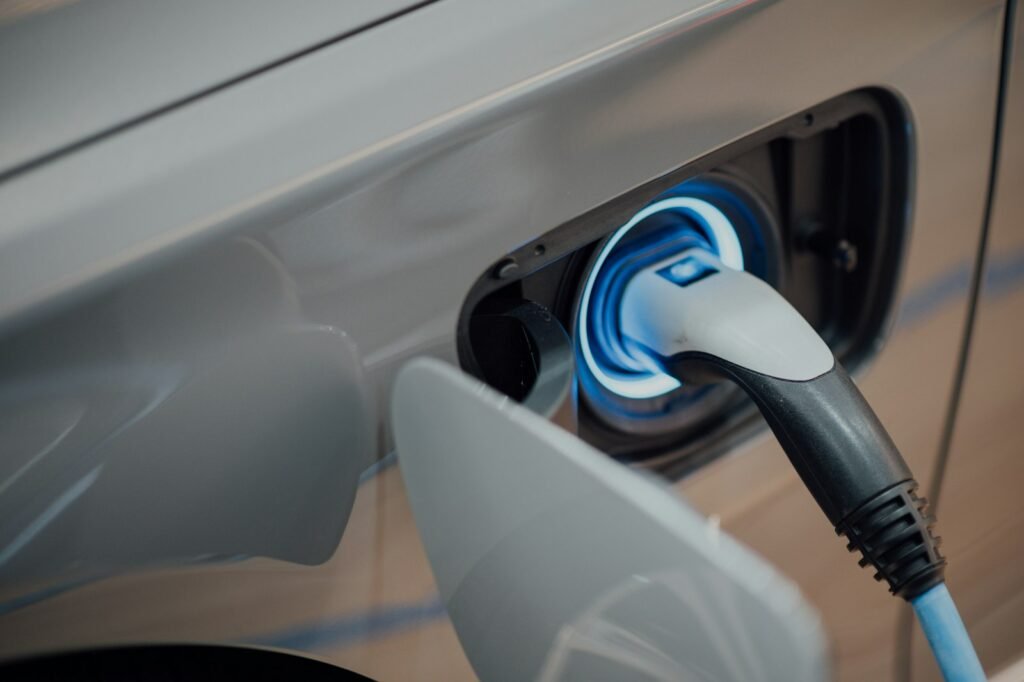
The battery is the most expensive part of an electric cart, and it shapes how the cart feels to own. Here is what changes between the two main chemistries.
Key takeaways
- LiFePO4 is rated at 2,000+ cycles, versus a few hundred for deep-cycle lead-acid.
- Lithium needs no watering and makes the cart lighter.
- It costs more upfront but usually less over the life of the cart.
Lead-acid
Lead-acid is the traditional choice. According to Battery University, deep-cycle lead-acid batteries typically deliver a few hundred cycles, take many hours to fully charge, are heavy for the energy they store, and flooded types need regular watering. Leaving them partly discharged can cause sulfation, which shortens their life.
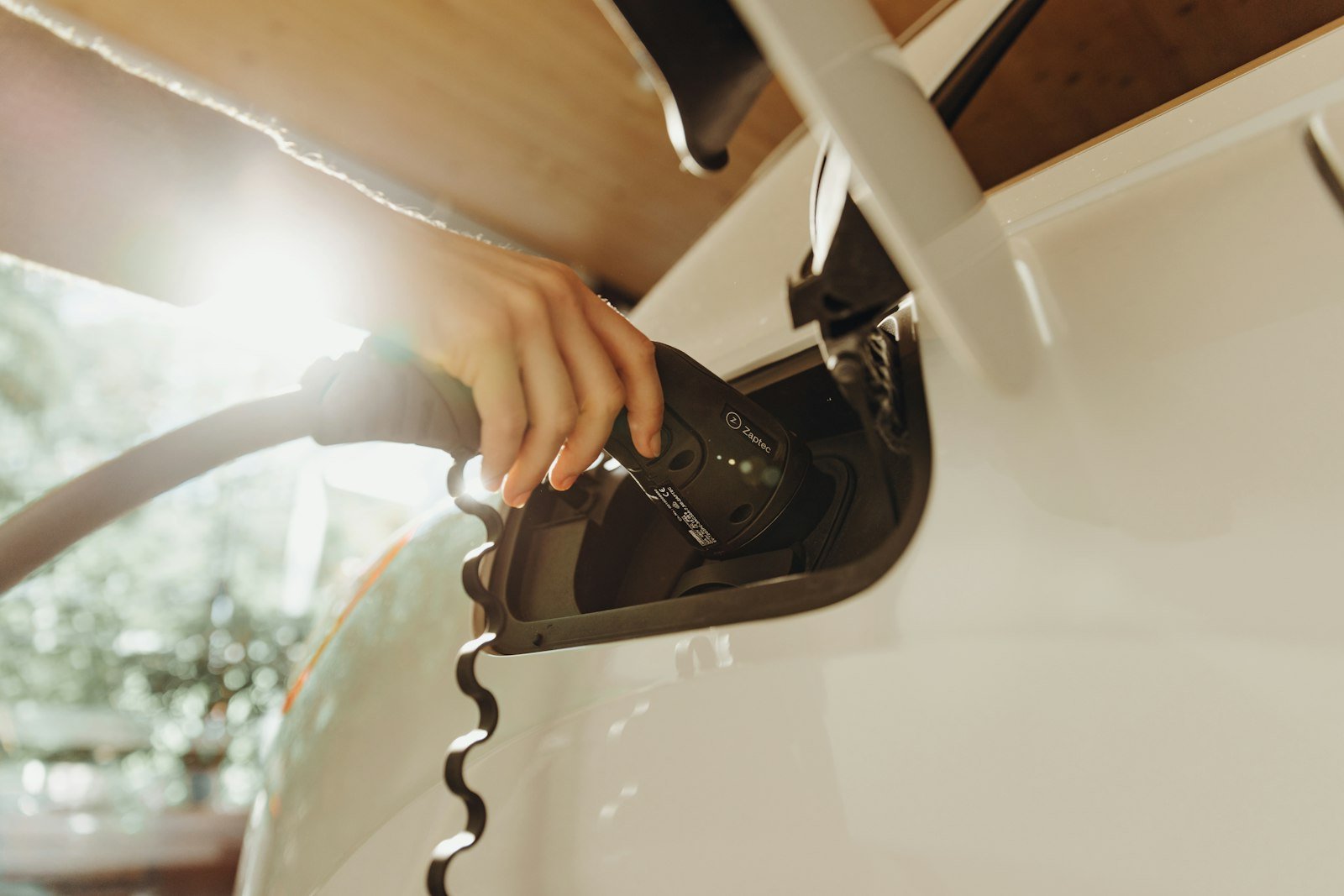
Lithium iron phosphate (LiFePO4)
Most new carts we sell use LiFePO4. Battery University rates this chemistry at 2,000 or more cycles and describes it as one of the most thermally stable lithium-ion types (BU-205). In practice, that means:
- Far longer service life before replacement
- No watering or acid maintenance
- A lighter cart for the same usable energy
- Faster charging
Is lithium worth it?
Lithium costs more upfront, but because it lasts much longer and needs no maintenance, it usually costs less over the life of the cart. If you drive often, it is the better buy.
Shop lithium golf carts or ask us about battery warranties.
Ready to find your cart?
Browse new electric, gas and street-legal carts with clear pricing, or ask us a question and we’ll point you to the right model.
